Reviving Retro Charm: How Molland Elevates Modern Brand Identity
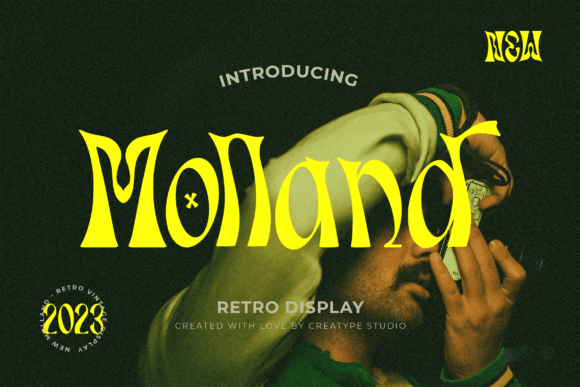
In the rapidly evolving landscape of digital design and brand communication, typography serves as more than just a vessel for text; it is the emotional anchor of visual storytelling. As brands strive to cut through the noise of saturated markets, there is a palpable shift toward aesthetics that feel authentic, human, and grounded in history yet refreshed for contemporary sensibilities. Enter Molland, a groovy display font that masterfully bridges the gap between vintage allure and energetic modernity. By integrating this typeface into your creative workflow, you do not merely choose a font; you select a strategic tool that allows your brand’s messaging to resonate deeply with nostalgia while maintaining a sharp, forward-looking edge.
The Resurgence of Nostalgia in Visual Communication
To understand why Molland is gaining traction among designers and marketers, one must first look at the broader cultural currents shaping consumer preferences. We are currently witnessing a significant revival of retro aesthetics, particularly those drawn from the 1970s and early 1980s. This trend is not simply about recycling old styles; it is a response to the sterile, overly minimalist digital environments that have dominated the last decade. Consumers are craving warmth, personality, and tangible connection. They seek brands that feel approachable and lived-in rather than cold and corporate.
Molland fits seamlessly into this narrative. Its design language speaks directly to this desire for organic connection. The font’s curves and ligatures evoke the handcrafted signage of a bygone era, reminding audiences of a time when craftsmanship was paramount. For entrepreneurs and freelancers, leveraging this psychological trigger can be a powerful differentiator. When a potential customer encounters a logo or advertisement set in Molland, they are subconsciously invited to slow down and engage with the brand on a more personal level. This emotional resonance is invaluable in an economy where attention is the scarcest resource.
Beyond Aesthetics: Strategic Application in Branding
While the visual appeal of Molland is undeniable, its true value lies in its versatility across various touchpoints. A common misconception among novice designers is that display fonts are limited to headlines. However, Molland’s balanced weight and distinct character shapes allow it to perform robustly in a variety of contexts. Consider its application in branding projects. A well-crafted logo using Molland can instantly communicate a brand’s personality—whether it is a boutique coffee shop aiming for artisanal credibility or a fashion label seeking a playful, retro-chic vibe.
The font’s adaptability extends further into wedding designs and invitation suites. In the wedding industry, couples are increasingly moving away from rigid, traditional scripts toward layouts that reflect their unique personalities. Molland offers a sophisticated yet relaxed alternative to standard calligraphy, providing a handwritten taste that feels genuine rather than manufactured. Similarly, for stationery and product packaging, the font adds a layer of tactile quality to digital prints, enhancing the unboxing experience and reinforcing brand loyalty through consistent visual cues.
Meeting the Demands of Modern Content Creation
The rise of social media has fundamentally altered how businesses communicate with their audiences. Platforms like Instagram, Pinterest, and TikTok demand content that is not only visually striking but also instantly readable and emotionally engaging. Here, Molland proves to be an indispensable asset for social media posts and advertisements. Its energetic vibe ensures that key messages stand out in a crowded feed, while its vintage charm encourages users to pause and interact.
For photographers and content creators, the use of Molland as a watermark or overlay text can elevate the perceived value of their work. It transforms a simple image into a curated piece of art, aligning the visual output with a cohesive brand identity. Furthermore, in the realm of product designs and labels, clarity and character must coexist. Molland achieves this balance, ensuring that product names and descriptions are legible while contributing to the overall shelf appeal. This dual functionality addresses the changing needs of modern workflows, where speed and impact are equally prioritized.
Integrating Molland into Your Creative Workflow
Adopting a new typeface requires more than just installation; it demands an understanding of how it interacts with other design elements. To maximize the impact of Molland, consider the following practical observations:
- Pairing with Simplicity: Because Molland is a display font with strong personality, it pairs best with clean, neutral sans-serif or serif body fonts. This contrast ensures that the headline captures attention without overwhelming the reader, maintaining a professional hierarchy.
- Color Psychology: The vintage nature of Molland complements earthy tones, muted pastels, and warm neutrals. Using these color palettes can enhance the nostalgic effect, creating a harmonious visual experience that feels intentional and curated.
- Whitespace Management: Give Molland room to breathe. Its intricate details and flowing lines require adequate spacing to be fully appreciated. Crowding the font can diminish its elegance and reduce readability, particularly in smaller sizes.
These considerations highlight the importance of context. Molland is not a one-size-fits-all solution, but rather a specialized tool that thrives when used with intention. For marketers and entrepreneurs, this means auditing existing brand materials to identify opportunities where a touch of vintage energy could refresh the narrative. Whether it is updating a website header, redesigning a business card, or launching a new ad campaign, the strategic insertion of Molland can signal a brand’s evolution and relevance.
The Future of Handwritten Aesthetics in Digital Spaces
As technology advances, the line between digital and physical continues to blur. Augmented reality, interactive web experiences, and dynamic branding are becoming standard expectations. In this high-tech environment, the human touch provided by fonts like Molland becomes even more critical. It serves as a reminder of the human element behind the brand, fostering trust and relatability. This is particularly relevant for freelancers and small businesses that rely on personal connections to drive growth.
Moreover, the demand for authenticity shows no signs of waning. Consumers are increasingly skeptical of polished, AI-generated perfection. They gravitate toward brands that embrace imperfection and character. Molland’s slight irregularities and organic flow embody this ethos, making it a future-proof choice for brands committed to long-term engagement. By investing in such typography now, businesses position themselves to meet the evolving expectations of a audience that values substance and style in equal measure.
Conclusion: Embracing the Groovy Revolution
In conclusion, Molland represents more than a typographic trend; it is a reflection of a broader shift toward meaningful, emotionally resonant design. Its ability to mix vintage allure with an energetic vibe makes it a versatile and powerful tool for any creative professional. From logos and packaging to social media and stationery, Molland offers a unique voice that helps brands stand out in a crowded marketplace.
For those looking to infuse their projects with a sense of nostalgia and vitality, embracing Molland is a strategic move. It aligns with current consumer preferences for authenticity and warmth, while providing the flexibility needed for diverse applications. As you plan your next design project, consider how this groovy display font can transform your messaging and connect with your audience on a deeper level. The future of branding is human, heartfelt, and undeniably stylish—and Molland is here to help you lead the way.